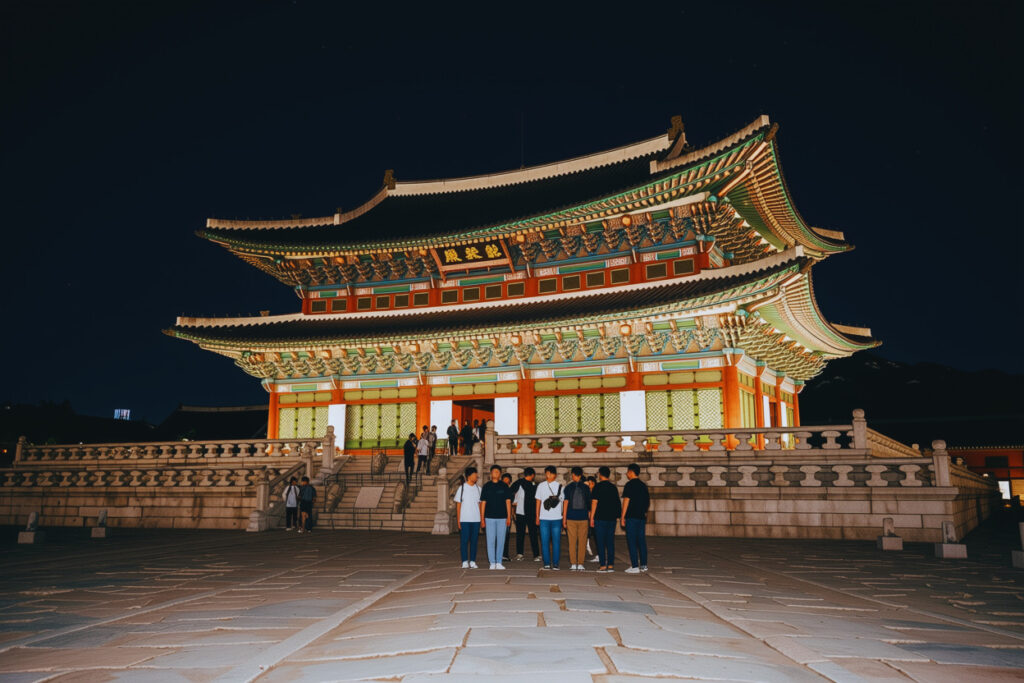
- Gyeongbokgung Palace & Gwanghwamun Square
The Heart of the Joseon Dynasty & The Ultimate Hanbok Spot
History: Built in 1395 by King Taejo, this is the main royal palace of the Joseon Dynasty. Gwanghwamun Square, located directly in front, served as the central avenue of ancient Seoul and remains a historic landmark today.
Why Visit: Admire traditional Korean architecture, watch the Royal Guard Changing Ceremony, and take stunning photos wearing a traditional Hanbok.
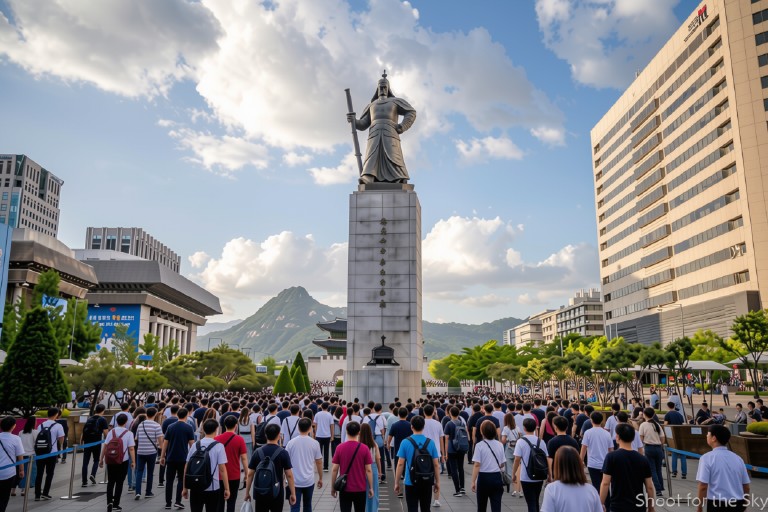
Highlights: Free admission if you wear a Hanbok. You can also see the famous statues of King Sejong and General Yi Sun-sin at Gwanghwamun Square.
Cost: Adults (Ages 24–64): 3,000 KRW (Free if wearing a Hanbok)
Transportation: Subway Line 3, Gyeongbokgung Station (Exit 5) / Line 5, Gwanghwamun Station (Exit 2)
Hours: 09:00 – 17:00/18:30 (Varies by season / Closed on Tuesdays)
Peak Hours: Weekends 13:00 – 16:00 / Royal Guard Changing Ceremony times (10:00 & 14:00)
- Myeongdong Shopping Street
The Hub for K-Beauty, Street Food & Shopping
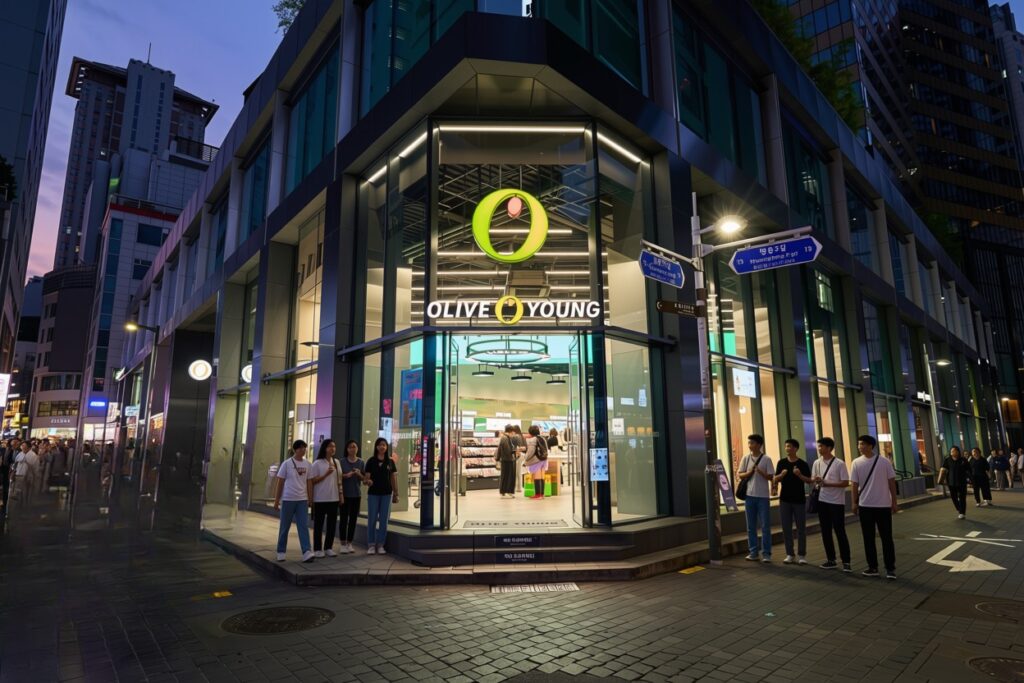
History: A commercial and financial core of Seoul since the early 20th century, Myeongdong has evolved into a global center for Korean pop culture and shopping.
Why Visit: Shop for K-beauty cosmetics, sample diverse street food, and dine at famous eateries like Myeongdong Kyoja.
Highlights: In the evening, street food carts line the main road. Most shops offer multi-language services (English, Chinese, Japanese).
Cost: Free street access (Street food items cost ~3,000 – 10,000 KRW)
Transportation: Subway Line 4, Myeongdong Station (Exit 6) / Line 2, Euljiro 1-ga Station (Exit 5 or 6)
Hours: Varies by shop (~10:00 – 22:00) / Street food stalls open around 16:00
Peak Hours: Daily 17:00 – 21:00
- Bukchon Hanok Village
A Picturesque Neighborhood Filled with Traditional Houses
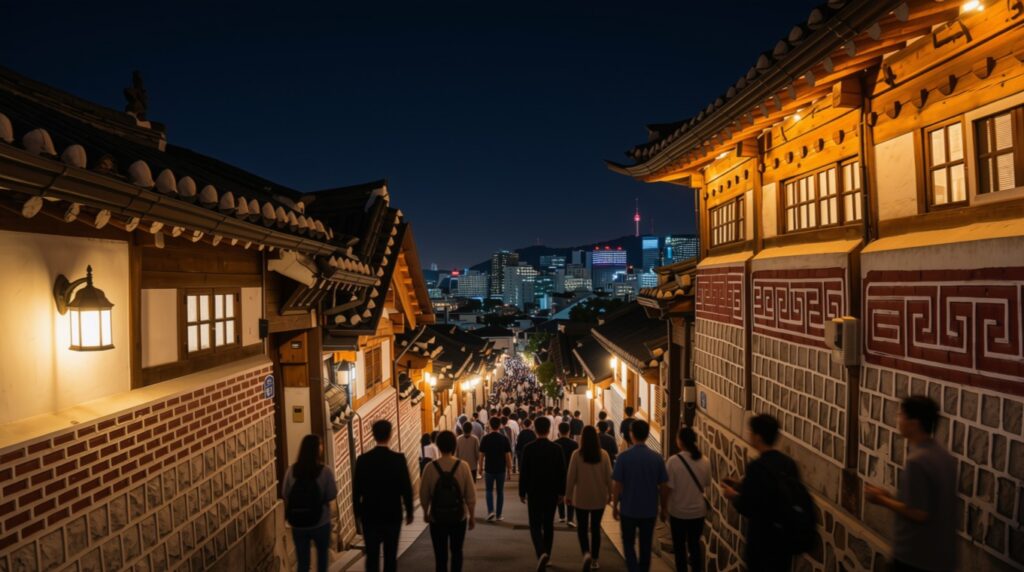
History: Located between Gyeongbokgung and Changdeokgung Palaces, Bukchon was historically home to high-ranking officials during the Joseon Dynasty. Many of the Hanoks seen today date back to the 1930s.
Why Visit: Walk through narrow alleys lined with authentic Hanoks and frame photos of the traditional tiled roofs set against the modern N Seoul Tower in the distance.
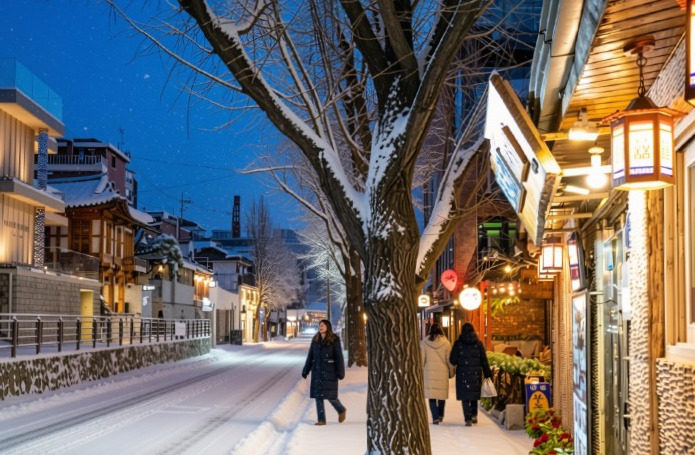
Highlights: An open-air museum feel with traditional craft workshops, teahouses, and art galleries tucked into the alleys.
Cost: Free street entry (Cafe/craft workshop fees extra)
Transportation: Subway Line 3, Anguk Station (Exit 2)
Hours: Open 24/7 (Since it’s a residential area, Quiet Visiting Hours of 10:00 – 17:00 are recommended)
Peak Hours: Weekends 11:00 – 15:00
- N Seoul Tower (Namsan Tower)
Panoramic City Views & Romantic Nightscapes
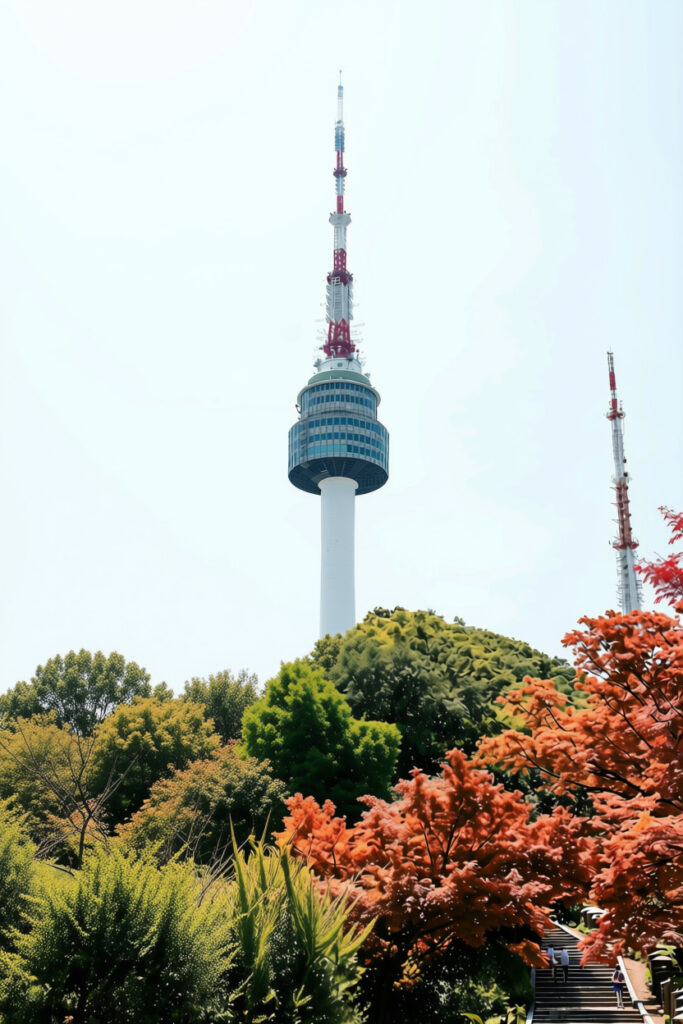
History: Built in 1969 as Korea’s first general broadcast tower, it opened to the public in 1980 and quickly became an iconic symbol of Seoul.
Why Visit: Enjoy 360-degree views of the cityscape and leave a padlock on the famous “Love Padlocks” fence.
Highlights: Ride the Namsan Cable Car or hike up Namsan Park. At night, the tower illuminates the skyline with colorful media art lighting.
Cost: Namsan Shuttle Bus: ~1,400 KRW / Cable Car (Round-trip): 15,000 KRW / Observatory Ticket (Adult): 21,000 KRW
Transportation: Namsan Shuttle Bus #01 from Chungmuro Station (Line 3/4, Exit 2) OR Cable Car from Myeongdong Station (Line 4, Exit 3)
Hours: Observatory: Mon–Thu 10:30 – 22:30 / Fri–Sun & Holidays 10:00 – 23:00
Peak Hours: Sunset through nightfall (18:00 – 20:30)
- Seongsu-dong (Yeonmujang-gil)
The Trendiest K-Pop-Up District in Red-Brick Factories
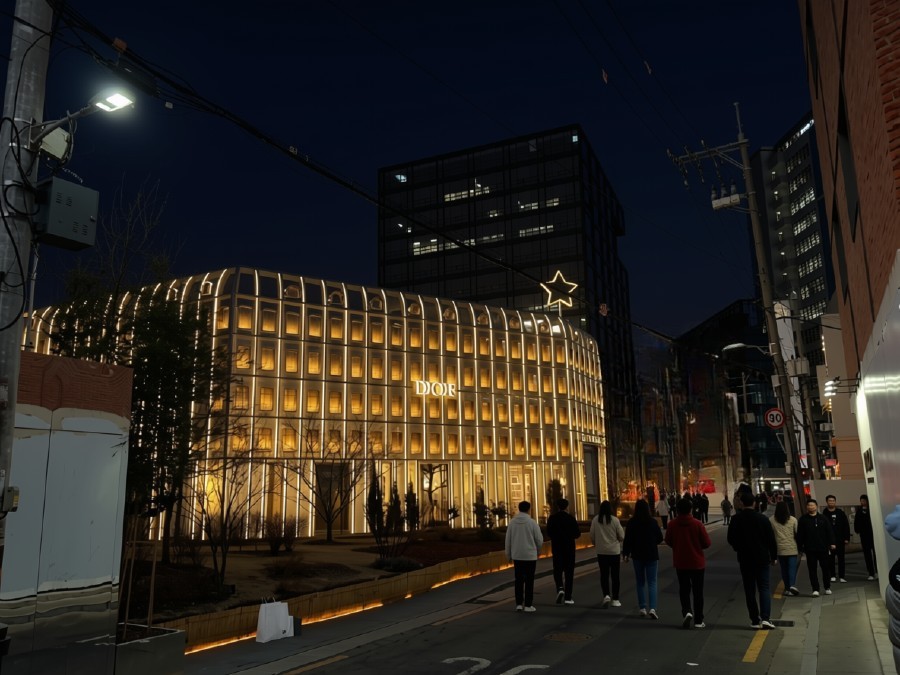
History: Once a major industrial neighborhood known for handmade shoe factories in the 1970s and 80s, Seongsu-dong was redeveloped into a vibrant cultural hub.
Why Visit: Explore brand pop-up stores, aesthetic industrial cafes, and boutique designer shops. It is currently the most viral Seoul spot on TikTok and Instagram.
Highlights: Industrial-chic red-brick architecture paired with exciting, ever-changing weekly pop-up experiences.
Cost: Free street/pop-up access (Cafe beverages ~6,000 – 9,000 KRW)
Transportation: Subway Line 2, Seongsu Station (Exit 3 or 4) / Line 2, Ttukseom Station
Hours: Varies by store/pop-up (~11:00 – 20:00)
Peak Hours: Friday–Sunday 13:00 – 18:00